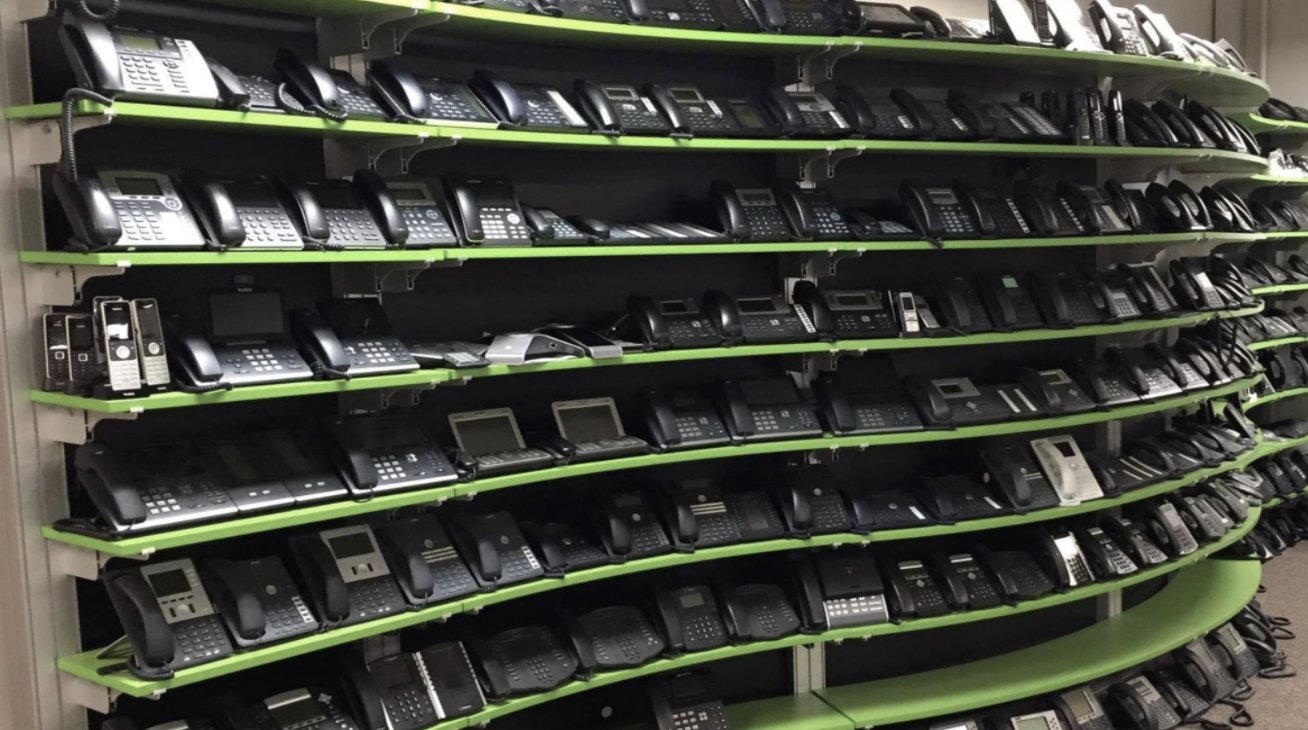

Lessons Learned: An Update on Our Server Outage

It’s been a busy couple of days following the double whammy of two RAID drive failures on Wednesday morning. We wanted to provide an interim update on where things stand. We share a dedicated server with a couple of other folks. The server is managed and maintained by WestNIC out of New York but physically resides in a data center in Dallas. Even with state-of-the-art hardware, things go wrong. And a dual drive failure made things worse, much worse.

The server runs cPanel and includes weekly onsite backups to a separate server as well as monthly off-site backups to New York. At least that’s what we had been told. It turns out that cPanel apparently chokes on account backups larger than 10GB so our provider had set a size limit on the accounts that qualified for backups in order to assure that the backups were reliable. Not a bad idea… if only we had known. Then we would have made our own backups of some of the one-of-a-kind data such as the PIAF Forum. Woulda, coulda, shoulda unfortunately doesn’t help at this juncture.

Our sites include Nerd Vittles, PBX in a Flash (.org and .com), and Incredible PBX as well as some other smaller domains. Luckily, Nerd Vittles escaped the 10GB limitation although it turned out the weekly backup was damaged. But a restore from New York retrieved all of our content except for the last three articles. Thanks to Google, those three articles still were sitting in Google’s cache. So Nerd Vittles is almost back to normal except where there were links to content or images on pbxinaflash.com or pbxinaflash.org. By yesterday, we had Nerd Vittles fully operational once again. Incredible PBX was much the same story, and it’s once again among the living.

Both the .org and .com sites for PBX in a Flash didn’t fare as well. They both were larger than 10GB which meant there were no cPanel backups anywhere. Most of the static content on both sites is readily available elsewhere for restoration. Unfortunately, the .com site also hosts the PIAF Forum which now includes over 100,000 messages covering VoIP.everything for the past six or seven years. Luckily (we hope), the raw data in the form of static files still exists on the damaged drives. So today we will be moving the raw data for the .org site back into place on the new server. We’re keeping our fingers crossed that the test will go smoothly. That turned out to be 11GB of data.

The more problematic site is pbxinaflash.com. That involves 50GB of data. While most of it is static content that can easily be restored, the PIAF Forum is still a question mark because it includes very fluid MySQL tables running under XenForo. The MySQL databases are also static files under Linux; however, recovery of the data is unknown at this juncture because we don’t know the type of MySQL tables that were in use. If they’re MyISAM, you can basically shut off MySQL momentarily, copy the files over, and restart MySQL with no problems. If the tables use the newer innoDB format then things get more complicated. We think, although we haven’t been able to verify it yet, that we have a XenForo backup in place from several weeks ago. Loss of a few week’s postings would obviously be a godsend when one considers the other alternative. We’ll keep you posted on our progress.

Should you find any glaring issues with the Nerd Vittles site, please post a comment and let us know. We appreciate your understanding during this difficult time for all of us.

Originally published: Friday, May 17, 2013


Need help with Asterisk? Visit the new PBX in a Flash Dev Page & Community on Google+
 

Once you’ve joined, just click About and choose PIAF Forum Community to start participating.


whos.amung.us If you’re wondering what your fellow man is reading on Nerd Vittles these days, wonder no more. Visit our whos.amung.us statistical web site and check out what’s happening. It’s a terrific resource both for all of us.


New Vitelity Special. Vitelity has generously offered a new discount for PBX in a Flash users. You now can get an almost half-price DID from our special Vitelity sign-up link. As an added bonus for PIAF users, Vitelity is offering free porting of all domestic local and Toll Free DIDs through May 23. If you’re seeking the best flexibility in choosing an area code and phone number plus the lowest entry level pricing plus high quality calls, then Vitelity is the hands-down winner. Vitelity provides Tier A DID inbound service in over 3,000 rate centers throughout the US and Canada. And, when you use our special link to sign up, the Nerd Vittles and PBX in a Flash projects get a few shekels down the road while you get an incredible signup deal as well. The going rate for Vitelity’s DID service is $7.95 a month which includes up to 4,000 incoming minutes on two simultaneous channels with terminations priced at 1.45¢ per minute. Not any more! For PBX in a Flash users, here’s a deal you can’t (and shouldn’t) refuse! Sign up now, and you can purchase a Tier A DID with unlimited incoming calls for just $3.99 a month. To check availability of local numbers and tiers of service from Vitelity, click here. Do not use this link to order your DIDs, or you won’t get the special pricing! Vitelity’s rate is just 1.44¢ per minute for outbound calls in the U.S. There is a $35 prepay when you sign up. This covers future usage and any balance is fully refundable if you decide to discontinue service with Vitelity. 


Some Recent Nerd Vittles Articles of Interest…

The SIPaholic’s Dream Come True: Introducing Anveo Direct

We’re incredibly happy with the current list of providers that we recommend to PBX in a Flash™ users for VoIP trunking. At the top of our list is Vitelity, a leading VoIP provider that has been a major contributor to the Nerd Vittles and PBX in a Flash projects for many years. But, as often happens, one of our gurus on the PIAF Forum comes up with a terrific discovery that we just can’t wait to pass along. This week it was @w1ve who stumbled upon a new Anveo® Direct service for end-users with a special DID and SIP trunk offer. While the sub-account flexibility of Vitelity and some of the other providers is sorely missing, Anveo Direct does provide end-users with many of the same routing tools and SIP feature set that previously were reserved for use by major carriers. If you don’t believe some of the competition is less than thrilled, read this message thread on dslreports.com. And, until June 1, you can order DIDs in almost any U.S. region for 50¢ a month per DID with no setup fee. With Anveo Direct Value, that 50¢ buys you two trunks with 400 free incoming minutes a day. Outbound calls are pay-as-you-go and vary depending upon where you’re calling. Typical U.S. rates are $.001 to $.0055 per minute with least cost routing and automatic failover when a particular carrier’s route is having problems. As a point of reference, sending a one-page fax using Incredible Fax costs less than a penny and worked flawlessly using Anveo’s least costly routes.

DIDs also are available in more than 50 countries around the world, and all setup fees are waived until June 1. Most European DIDs are $1 or less per month. You’ll find the complete price list here. It’s worth mentioning that the 400 free incoming minutes a day applies collectively to all of your DIDs, not individually to each one. Additional incoming calls each day are billed at a penny a minute. The alternative is to purchase dedicated Anveo Direct trunks which provide unlimited inbound calling (one call at a time) for a monthly charge of $17 per trunk (worldwide), $11.25 per trunk (U.S. and Canada), or $6.50 per trunk (most of Europe). Monthly DID prices then are roughly 50% less.

Another nice surprise is that most of the DIDs include SMS messaging support. Incoming SMS messages are billed at a penny per message. Outbound SMS messages are routed through Europe and are billed at 4.4¢ per message. Unlike most providers, Anveo gives you the flexibility to configure your carriers and routes in almost any way you like. And there’s no proxy media so voice calls are passed directly from the carrier to your SIP endpoint. Anveo actually began as a wholesale provider of Voxbone services. With Anveo Direct, virtually all of the functions offered to commercial providers are now available to everybody. Along with fully redundant architecture and automatic SIP failover, Anveo offers you a choice of POPs in New York and Los Angeles as well as in Germany, Belgium, and China.

I know. I hear some of you saying, "Why would I want to pay good money for a DID when U.S. and Canadian calls plus the DIDs that Google Voice currently provides are all free?" Setting aside the ups and downs of Google Voice with Asterisk® over the years, it’s worth remembering that good things don’t last forever, and the word on the street is that Google’s generosity ship may be about to sail. In fact, it already has with worldwide iNum calls which Google originally handled for free. Now they’re 3¢ a minute even when calling across the street. Also keep in mind that, with VoIP, it costs you almost nothing to have a number of backup providers in place for that rainy day.

If you’ve used IPkall that provides free DIDs in the Seattle area with call routing to any SIP URI, then you will be generally familiar with the setup process for Anveo DIDs. There is no registration facility with Anveo Direct. Incoming calls to your DID are routed to SIP URIs of your choice. Outbound calls are sent to a SIP URI with a 6-character alphanumeric passcode of your choice. If this is all Greek to you, keep reading or stick with Vitelity. :wink:

Configuring a Destination SIP Trunk for Use with Anveo Direct

Before you can successfully configure a DID at Anveo Direct, you’ll first need to set up a SIP URI on your PIAF™ server. There are four initial steps: (1) enabling SIP URI access in your IPtables firewall, (2) mapping UDP 5060 to the IP address of your Asterisk server in your hardware-based firewall, (3) creating a SIP trunk for Anveo in FreePBX®, and (4) creating a custom context for incoming SIP URI calls from Anveo Direct.

Step #1: Just a couple of words of warning before we begin. You’ll need to open port 5060 on your hardware-based firewall and point it to your Asterisk server to use a SIP URI. Before you do that, make certain that you’ve installed Travelin’ Man 3 for PBX in a Flash which blocks inbound SIP connections except from trusted providers. Once Travelin’ Man 3 is installed, you’ll need to add Anveo Direct to your list of trusted providers for SIP connections (UDP 5060) with this command:

/root/add-ip anveo1 50.22.101.14
/root/add-ip anveo2 67.212.84.21
/root/add-ip anveo3 176.9.39.206
/root/add-ip anveo4 72.9.149.25
/root/add-ip anveo5 50.22.102.242

If you’re generally familiar with IPtables, you can add the following block of code directly:

-A INPUT -s 50.22.101.14/32 -p udp -m udp --dport 5060:5069 -j ACCEPT
-A INPUT -s 67.212.84.21/32 -p udp -m udp --dport 5060:5069 -j ACCEPT
-A INPUT -s 176.9.39.206/32 -p udp -m udp --dport 5060:5069 -j ACCEPT
-A INPUT -s 72.9.149.25/32 -p udp -m udp --dport 5060:5069 -j ACCEPT
-A INPUT -s 50.22.102.242/32 -p udp -m udp --dport 5060:5069 -j ACCEPT

Once you’ve completed this step, restart IPtables: service iptables restart. Then run: iptables -nL. Make certain that all of the above IP addresses are in the trusted providers list. Do NOT proceed until you’re sure your server is protected! It’s your phone bill.

Step #2: Now access your hardware-based firewall and map incoming UDP port 5060 traffic to the IP address of your PBX in a Flash server. The exact steps vary slightly depending upon the type of router you have. Look for a tab that deals with redirecting Internet traffic through your router to destination IP addresses.

Step #3: Using a web browser, open the FreePBX Administration GUI by pointing to the IP address of your server. In FreePBX 2.10 and 2.11, choose Connectivity -> Trunks -> Add SIP Trunk. Create an entry that looks like the following removing any other entries in the User Details section of the form. Then save your settings and update the dialplan. If you don’t have success with our settings, try the ones recommended by @w1ve.

Repeat this process by creating four additional SIP trunks named anveo-2, anveo-3, anveo-4, and anveo-5 using the other four IP addresses that Anveo uses to route SIP calls: 67.212.84.21, 176.9.39.206, 72.9.149.25, and 50.22.102.242.

Step #4: Log into your server as root with SSH, and edit /etc/asterisk/extensions_custom.conf. Add the following code to the bottom of the file and save your changes. Then restart Asterisk: amportal restart.

[from-anveo]
exten => _.,1,Ringing
exten => _.,n,Goto(from-trunk,${SIP_HEADER(X-anveo-e164)},1)

Just a word of explanation about why we’re using a custom trunk context for Anveo rather than using the standard from-trunk entry. Because of its environment, Anveo doesn’t pass the DID of the trunk in the traditional way.1 Instead, it passes the DID in a customized SIP header as shown above. If you used from-trunk as the destination for the incoming calls, then FreePBX would process the call using the Default Inbound Route which most sane people map to Hangup or Congestion. By using the custom context above, we can grab the actual DID and use it for FreePBX routing purposes. For Anveo purposes, the actual SIP URI we’ll be using is serverDID@serverIPaddress where the 1904… number in the example is your actual DID which we’ll obtain in the next section. If you have a fully-qualified domain name for your server, you can use that after the @ symbol instead of your server’s public IP address.

Configuring a DID in Anveo Direct

Now that we have almost everything in place on your server, we’re ready to begin today’s adventure with Anveo. For openers, you’ll need to register for an account at Anveo Direct. It’s a simple process. Just click on the Get Started icon on the website and follow your nose. Once you’ve registered and confirmed your email address, login to your account and you’ll find a 60¢ credit for experimentation. Since you can purchase a DID for 50¢ and because it’s prorated to the 15th of this month, you’ll have plenty of money to test out the service without spending a dime.

There are three steps to complete on the Anveo site: (1) purchase a DID, (2) create a SIP URI which will be used to route the calls from a specific DID to your server, and (3) configure the DID to route calls using the SIP URI created in the previous step.

Step #1: If you haven’t already done so, log into your Anveo Direct account. Then purchase a DID in your favorite town. From the Inbound Service pulldown, choose Order Anveo Direct DID. Just fill in the blanks after choosing your desired DID.

Step #2: Choose Inbound Service -> Configure Destination SIP Trunks -> Add a New SIP Trunk. Fill in the blanks as shown below using the DID you created in step #1. Be sure to use the complete DID number. Either an IP address or FQDN is fine after the @ symbol. Then click SAVE.

If you read the "hint" in the form, you will note that you can replace the actual DID number (1904… in our example) with $[E164]$ to make the SIP URI generic. Then you don’t have to create separate SIP URI entries for every DID you purchase. We’re pleased to report that it works as advertised, and we’re using it in our sample trunk so you can try it for yourself.

Step 3: From the Inbound Service pulldown, choose Configure Anveo DIDs. Click on the EDIT tab beside the DID you wish to configure. You’ll get a form that looks like the following:

Choose the Call Options tab and select the SIP URI that you configured in Step #2. Click SAVE.

Choose the Geo. Pop tab and select the POP server closest to you. Click SAVE.

Choose the Codecs tab and select the codecs you wish to enable. We recommend using only G.711u until you’re sure everything is working correctly. Click SAVE.

Completing the FreePBX Setup for Anveo Direct

We’re almost finished. The last step is to create an Inbound Route in FreePBX for the DID you just purchased from Anveo Direct. So jump back over to FreePBX in your browser. Choose Connectivity -> Inbound Routes -> Add Incoming Route. Fill out the form using the complete DID Number, e.g. 1904… Choose a Destination for Incoming Calls that works on your server. It could be an extension, a ring group, an IVR, or any other resource that’s available. In our example, we’ve chosen the Weather Underground application from Incredible PBX. Save your settings and update the dialplan.

Now you’re ready to place your first call, or you can call the number shown above to try out our demo system using Anveo. Ignore the + symbol when dialing calls. It’s not necessary.

Making Outbound Calls with Anveo Direct

If you also want to use Anveo to place outbound calls, all of the rates are per minute. The rate tables can be downloaded from here. Before you can place outbound calls, you’ll need to create a Call Termination Trunk under Outbound Service. In the form, you set up a 6-character code for access to the SIP URI and also specify the IP addresses from which calls can be placed. A sample is shown below. You obviously need to create a VERY secure access code. The code must begin with a zero and may contain any number as well as A-Z and a-z for each character. Once you’re finished, SAVE your settings. This is the area where Anveo’s Least Cost Routing methodology really shines. If you’re cheap (like us), use the settings shown. If you prefer higher quality trunks, change the Carriers to All Carriers. It gets more complicated if you want it to, but these settings will get you started with incredible rates.

The final step is to define a Custom Trunk (AnveoOut) and Outbound Route (AnveoSIP) in FreePBX to send outbound calls to Anveo. Typically, you would specify a dialing prefix (555 in the example) to force certain calls to use the Anveo Direct route. Here’s a sample Custom SIP Trunk to handle the calls. The custom dial string should look like this using your own 6-character code, of course: SIP/012345$OUTNUM$@sbc.anveo.com.

Once you’ve saved your settings, create an Outbound Route for the calls that looks something like what’s shown below. Be sure to add the CallerID number you wish to use for the outbound calls and make the 555 prefix match what you used when you created the Custom Trunk in the last step. When you Save your setup, be sure to move the Outbound Route up the priority list on the right so that these calls get evaluated before your other calling routes.

Receiving SMS Messages with Anveo Direct

To receive SMS messages from Anveo, there’s an SMS tab in the DID configuration menu for each of your DIDs. You must have a web server with PHP 4 or 5 to manage the incoming messages. It’s important to use a file name for the web link that is difficult for people to guess. Otherwise, anybody can bombard you with SMS messages if they happen to guess the web link. Here’s a sample to get you started. In the Anveo SMS tab for your DID, you’d insert something like the following and check the Forward to URL box:

http://myserver.org/smsmessenger.php?from=$[from]$&to=$[to]$&message=$[message]$

On your web server using whatever filename you chose for the smsmessenger.php file, insert the following code replacing the $deliverto contents with your actual email address:


<?php
$deliverto = "youremailname@gmail.com";
$from = $_REQUEST['from'];
$to = $_REQUEST['to'];
$message = $_REQUEST['message'];
$subject="SMS Message from $from to $to";
$comment="SMS Message\n\n FROM: $from\n\nTO: $to\n\nMSG: $message\n\n";
mail("$deliverto", "$subject", "$comment", "$from");
?>

Once this is in place, people can simply send an SMS message to your 11-digit DID, and it will be delivered to the email address you inserted for $deliverto. Incoming SMS messages are a penny apiece.

Sending SMS Messages with Anveo Direct

Sending SMS messages through Anveo Direct is similar to the key procedure used for placing outbound calls. Before you can send SMS messages, however, you’ll need to activate an API account which is free. This gets you an API key. Once you have a key, SMS messages are sent using API requests to https://www.anveo.com/api/v2.asp. Sample PHP scripts to handle the details are available on the Anveo Direct web site. The procedure works well, but the messaging rates are not cheap at 4.4¢ per message. In addition, there appears to be a glitch in the "sent from" feature of the API which results in outbound SMS messages always appearing to come from an international number in the United Kingdom. But, again, the functionality is there, if you need it. For the time being, the SMS messaging functionality built into Incredible PBX is free and much easier to use. See the SMS Dictator article on Nerd Vittles for details. Enjoy!

Originally published: Monday, May 6, 2013


Need help with Asterisk? Visit the PBX in a Flash Forum.
Or Try the New, Free PBX in a Flash Conference Bridge.


whos.amung.us If you’re wondering what your fellow man is reading on Nerd Vittles these days, wonder no more. Visit our new whos.amung.us statistical web site and check out what’s happening. It’s a terrific resource both for us and for you.


New Vitelity Special. Vitelity has generously offered a new discount for PBX in a Flash users. You now can get an almost half-price DID from our special Vitelity sign-up link. As an added bonus for PIAF users, Vitelity is offering free porting of all domestic local and Toll Free DIDs through May 18. If you’re seeking the best flexibility in choosing an area code and phone number plus the lowest entry level pricing plus high quality calls, then Vitelity is the hands-down winner. Vitelity provides Tier A DID inbound service in over 3,000 rate centers throughout the US and Canada. And, when you use our special link to sign up, the Nerd Vittles and PBX in a Flash projects get a few shekels down the road while you get an incredible signup deal as well. The going rate for Vitelity’s DID service is $7.95 a month which includes up to 4,000 incoming minutes on two simultaneous channels with terminations priced at 1.45¢ per minute. Not any more! For PBX in a Flash users, here’s a deal you can’t (and shouldn’t) refuse! Sign up now, and you can purchase a Tier A DID with unlimited incoming calls for just $3.99 a month. To check availability of local numbers and tiers of service from Vitelity, click here. Do not use this link to order your DIDs, or you won’t get the special pricing! Vitelity’s rate is just 1.44¢ per minute for outbound calls in the U.S. There is a $35 prepay when you sign up. This covers future usage and any balance is fully refundable if you decide to discontinue service with Vitelity. 


Some Recent Nerd Vittles Articles of Interest…

It’s Baaaaack: Skype Returns to PBX in a Flash with Asterisk 11 and FreeSwitch

It’s been a long road, but we finally have a reliable Skype™ implementation for Asterisk® 11. Ironically, it uses components from ArchLinux™ as well as FreeSwitch™. But, hey, it works! It sounds great. And it lets you talk (for free) to over a half billion of your closest friends around the world. So today we present a Skype solution that works with a full-featured PBX. It can run on any Windows®, Mac®, or Linux® Desktop using the PIAF-Green™ Virtual Machine with Oracle’s free VirtualBox®. There’s more good news. It’s a 5-minute install once you’ve downloaded the PIAF-Green appliance. And the appliance includes a one-click installer for a Skype gateway. All you’ll need is a dedicated Skype account with your username and password. Before you can finish your cup of coffee, you’ll be up and running. For those that prefer to do it yourself, there’s a complete tutorial on the PBX in a Flash™ Forum. Our special thanks to @sukasem for solving the riddle.

PIAF-Green Virtual Machine: How It Works

We’ve written extensively about Oracle® VM VirtualBox and the PIAF-Green Virtual Machine. If all of this is new to you, start here for some background. For today, we’ve built a custom PIAF-Green appliance that’s designed to handle inbound and outbound calling using a dedicated Skype account. You can interconnect this appliance with other Asterisk servers, or you can use it as a standalone Asterisk server by adding extensions, trunks, and features just as you would with any other PIAF-Green server. By default, inbound calls to the Skype account on your server are routed to extension 701. That can be adjusted to meet your requirements. 11-digit outbound calls (e.g. 1-843-284-6844) are routed out through your Skype trunk which means you’ll need Skype Credit or a Skype Subscription to complete the calls. You can modify the outbound route SkypeOut to accommodate international calling, 10-digit calling, and free Skype-to-Skype calling worldwide if desired. We’ll cover the setup below. But, first, let’s get your PIAF-Green Virtual Machine up and running with FreeSwitch and Skype.

Installing the PIAF-Green Virtual Machine

Step #1 is to download the PIAF-Ast11-FS-Skype Open Virtualization Appliance (.ova) from SourceForge. This appliance includes a customized version of PIAF-Green with Asterisk 11 and FreePBX 2.11 as well as FreeSwitch and a Skype installer. Because Skype is proprietary, we cannot include it in the turnkey appliance, but the one-click installer will do all of the heavy lifting for you.

Step #2: Verify the checksums for the PIAF-Green 64-bit .ova appliance to be sure everything got downloaded properly. To check the MD5/SHA1 checksums in Windows, download and run Microsoft’s File Checksum Integrity Verifier.

For Mac or Linux desktops, open a Terminal window, change to the directory in which you downloaded the .ova file, and type the following commands:

md5 PIAF-Ast11-FS-Skype.ova (use md5sum for Linux)
openssl sha1 PIAF-Ast11-FS-Skype.ova

The correct MD5 checksum for the latest appliance release is 93b016298c18455184cfd596774c05ba. The correct SHA1 checksum for the latest release is 09b24ad03a99ecc4eeef58a5d123c3c03096a2e0.

The correct MD5 checksum for the original appliance was bfa436f4f4a1cf2dd5ac92c3fbb7c65f. The correct SHA1 checksum for the original appliance was 95228d4c2ed533092899da88721dbde8d20d8b73.

Step #3: Double-click on the downloaded .ova file which will begin the import process into VirtualBox. It only takes a couple minutes, and you only do it once. IMPORTANT: Be sure to check the Reinitialize the Mac address of all network cards box before clicking the Import button.

Once the import is finished, you’ll see the new PIAF virtual machine in the VM List of your VirtualBox Manager Window. You’ll need to make a single, one-time adjustment to the PIAF-Green Virtual Machine configuration to account for differences in network cards on different host machines.

Click on the PIAF-Ast11-FS-Skype Virtual Machine in the VM List. Then click Settings -> Network. For Adapter 1, check the Enable Network Adapter option. From the Attached to pull-down menu, choose Bridged Adapter. Then select your network card from the Name list. Then click OK. That’s all the configuration that is ever necessary for your appliance. The rest is automagic.

Running the PIAF-Green Virtual Machine in VirtualBox

Once you’ve imported and configured the appliance, you’re ready to go. Highlight the Virtual Machine in the VM List on the VirtualBox Manager Window and click the Start button. The PIAF boot procedure with CentOS 6.4 will begin just as if you had installed PBX in a Flash on a standalone machine. You’ll see a couple of dialogue boxes pop up that explain the keystrokes to move back and forth between your host operating system desktop and your PIAF VM.

Here’s what you need to know. To work in the PIAF Virtual Machine, just left-click your mouse while it is positioned inside the VM window. To return to your host operating system desktop, press the right Option key on Windows machines or the left Command key on any Mac. For other operating systems, read the dialogue boxes for instructions on moving around. Always shut down PIAF gracefully! Click in the VM window with your mouse, log in as root, and type: shutdown -h now.

Run PIAF-Green Virtual Machine behind a hardware-based firewall with no Internet port exposure!

To begin, position your mouse over the VM window and left-click. Once the PIAF VM has booted, log in as root with password as the password. Change your root password immediately by typing passwd at the command prompt. Now set up a secure maint password for FreePBX as well. Type passwd-master. If you’re not in the Eastern U.S. time zone, then you’ll want to adjust your timezone setting so that reminders and other time-sensitive events happen at the correct time. While logged into your server as root, issue the following command: /root/timezone-setup.

To access the FreePBX GUI, use a browser to log into your PIAF server by pointing to the IP address of the PIAF VM that’s displayed in the status window of the CLI. Click on the User button to display the Admin choices in the main PIAF Menu. Click on the FreePBX option to load the FreePBX GUI. You will be prompted for an Apache username and password. For the username, use maint. For the password, use whatever password you set up with passwd-master.

PIAF-Green Virtual Machine: Installing Skype with the One-Click Installer

Now the fun. First, be sure you’ve set up a Skype account that can be dedicated for exclusive use with PIAF-Green. Once you have your Skype username and password in hand, you’re ready to begin. While logged into your server as root, issue the following command: /root/skype-install.

Accept the license agreement and then you’ll be prompted for your Skype username (one word!) and password. Type carefully. Once you’ve checked your entries, press the Enter key to begin the install. Skype will be downloaded and installed after which FreeSwitch will be configured for use with PIAF-Green. The whole process takes about a minute.

PIAF-Green Virtual Machine: Taking Skype for a Test Drive

The easiest way to make sure everything is working is to assemble all of the needed components on your Windows or Mac desktop and then walk through an inbound and outbound call using Skype.

First, let’s get Skype and FreeSwitch running under PIAF-Green. From the command prompt, issue the following commands:

pkill skype
pkill Xvfb
sh /usr/local/freeswitch/skypopen/skype-clients-startup-dir/start_skype_clients.sh
/usr/local/freeswitch/bin/freeswitch

Second, switch back to your desktop PC or Mac and install the Skype client for your operating system. Make sure that you have a different Skype account that can be used for this testing. Once installed, run Skype on your desktop and log in with your different Skype credentials.

Third, while still on your desktop PC or Mac, download and install the Yate SIP softphone. Run the Yate client and choose Settings -> Accounts -> New. Plug in the IP address of your PIAF-Green Virtual Machine (type status in the Linux CLI if you don’t know it). For the extension, use 701. For the password use 1234secret. Make sure the client shows it registered. If not, check your IP address, extension, and password for typos.

Now let’s try a call to your PIAF-Green Virtual Machine using the Skype client on your desktop computer. Plug in the Skype name that you assigned to the virtual machine and click the dial button. Within a couple seconds, your Yate SIP softphone should start ringing. Click Answer on the phone and say a few words. Yes, there will be echo. You’re using both phones on the same desktop. Click Hangup. If you run the Asterisk CLI in the appliance window of VirtualBox, you can watch the entire process unfold with realtime alerts from both Asterisk and FreeSwitch.

As configured, you can use your Yate softphone to make outbound PSTN calls through Skype on the PIAF-Green Virtual Machine, but this requires you to have money in your Skype Credit account. If you have a positive balance, simply dial an 11-digit number, e.g. 1-843-284-6844. If you only want to make free calls to other people using Skype anywhere in the world, then you need to adjust your FreePBX dialplan slightly. Log into FreePBX as explained above and then make the following change to SkypeOut which is accessible by going to Connectivity -> Outbound Routes -> SkypeOut:

In the original version of the appliance, to place PSTN calls by dialing 10-digit numbers and to place calls to other Skype users by dialing *SkypeName from a SIP softphone, you needed to adjust the Dial Patterns for SkypeOut so that they looked like what is shown above. Then clicking Submit Changes and Apply Changes implemented the changes. With the current release, these features already are included.

PIAF-Green Virtual Machine: Auto-Starting Skype and FreeSwitch on Bootup

Once you’re sure everything is working as it should, you’ll find it more convenient to automatically start Skype and FreeSwitch whenever you boot up your PIAF-Green Virtual Machine. Just issue the following commands while logged into your server as root and then reboot to try it out:

echo "sh /usr/local/freeswitch/skypopen/skype-clients-startup-dir/start_skype_clients.sh" \
>> /etc/rc.d/rc.local
echo "ulimit -s 240" >> /etc/rc.d/rc.local
echo "/usr/local/freeswitch/bin/freeswitch &" >> /etc/rc.d/rc.local
reboot

PIAF-Green Virtual Machine: Skype Tips and Tricks

We’ve designed the one-click Skype installer so that you can rerun it at a later date if it becomes necessary to change your Skype credentials.

As a cautionary note, be advised that you cannot load Incredible PBX on this build without wiping out the Skype and FreeSwitch functionality, but we’re working on it.

One of the wrinkles with Skype is that Skype uses names for its users rather than numbers. If you don’t have a SIP URI-capable softphone, there’s still an easy way to place calls to your Skype friends using FreePBX. The solution is to set up speed dial numbers for your Skype friends by adding a Speed Dial number to your FreePBX dialplan. Let’s set one up for Skype’s Call Testing Service to show how it’s done. Choose Applications -> Extensions -> Other (Custom) Device in FreePBX. Provide an Extension Number (8378 spells T-E-S-T) which will be the Speed Dial number. This could just as easily spell your friend’s name using a TouchTone phone. Next enter a Display Name for the extension, e.g. Test Skype. Then insert the following in the dial field. If you were setting up a custom extension for a friend, just replace echo123 with your friend’s actual Skype name using the syntax below. Save your entries and reload the dialplan when prompted.

SIP/echo123@127.0.0.1:5070

Now you can dial 8378 using your Yate softphone or any extension on your PBX to connect to the Skype Call Testing Service. Enjoy!

Originally published: Friday, April 26, 2013


Need help with Asterisk? Visit the PBX in a Flash Forum.
Or Try the New, Free PBX in a Flash Conference Bridge.


whos.amung.us If you’re wondering what your fellow man is reading on Nerd Vittles these days, wonder no more. Visit our new whos.amung.us statistical web site and check out what’s happening. It’s a terrific resource both for us and for you.


New Vitelity Special. Vitelity has generously offered a new discount for PBX in a Flash users. You now can get an almost half-price DID from our special Vitelity sign-up link. As an added bonus for PIAF users, Vitelity is offering free porting of all domestic local and Toll Free DIDs through May 18. If you’re seeking the best flexibility in choosing an area code and phone number plus the lowest entry level pricing plus high quality calls, then Vitelity is the hands-down winner. Vitelity provides Tier A DID inbound service in over 3,000 rate centers throughout the US and Canada. And, when you use our special link to sign up, the Nerd Vittles and PBX in a Flash projects get a few shekels down the road while you get an incredible signup deal as well. The going rate for Vitelity’s DID service is $7.95 a month which includes up to 4,000 incoming minutes on two simultaneous channels with terminations priced at 1.45¢ per minute. Not any more! For PBX in a Flash users, here’s a deal you can’t (and shouldn’t) refuse! Sign up now, and you can purchase a Tier A DID with unlimited incoming calls for just $3.99 a month. To check availability of local numbers and tiers of service from Vitelity, click here. Do not use this link to order your DIDs, or you won’t get the special pricing! Vitelity’s rate is just 1.44¢ per minute for outbound calls in the U.S. There is a $35 prepay when you sign up. This covers future usage and any balance is fully refundable if you decide to discontinue service with Vitelity. 


Some Recent Nerd Vittles Articles of Interest…

The Definitive VoIP Quick Start Guide: Introducing PBX in a Flash 2.0.6.4.3

Each time we release a new version of PBX in a Flash™, I’m reminded of one of my favorite childhood books and one of the best mottos of all time: "I Think I Can!" You can’t really appreciate what goes into an open source product like PBX in a Flash until you try doing it yourself. The sad part is we and the CentOS™ development team are part of a dwindling few non-commercial entities that still are in the open source "business." If you want to actually learn about Asterisk from the ground up using pure source code to customize your VoIP deployment, PBX in a Flash has no competition because your only other option is to roll your own starting with a Linux DVD. So our extra special kudos go to Tom King, who once again has produced a real masterpiece in that it is very simple for a first-time user to deploy and, at the same time, incredibly flexible for the most experienced Asterisk developer. The new PIAF 2.0.6.4.3 ISOs not only provide a choice of Asterisk® and FreePBX® versions to get you started. But now you can build and deploy standalone servers for SugarCRM™, NeoRouter™ VPN, and OpenFire™ XMPP using the 32-bit and 64-bit PIAF™ ISOs. So let’s get started, shall we?

Making a Hardware Selection

We’re going to assume that you need a VoIP telephony solution that will support an office of up to several dozen employees and that you have an Internet connection that will support whatever your simultaneous call volume happens to be. This is above and beyond your normal Internet traffic. To keep it simple, you need 100Kbps of bandwidth in both directions for each call.1 And you need a router/firewall that can prioritize VoIP traffic so that all your employees playing Angry Birds won’t cause degradation in VoIP call quality. Almost any good home router can now provide this functionality. Remember to disable ALG on your router, and it’s smooth sailing.

For computer hardware, you’ll need a dedicated machine. There are many good choices. Unless you have a burning desire to preserve your ties with Ma Bell, we recommend limiting your Ma Bell lines to your main number. Most phone companies can provide a service called multi-channel forwarding that lets multiple inbound calls to your main number be routed to one or more VoIP DIDs much like companies do with 800-number calls. If this works for you, then any good dual-core Atom computer will suffice. You’ll find lots of suggestions in this thread. And the prices generally are in the $200-$400 range. For larger companies and to increase Asterisk’s capacity with beefier hardware, see these stress test results.

If your requirements involve retention of dozens of Ma Bell lines and complex routing of calls to multiple offices, then we would strongly recommend you spend a couple thousand dollars with one of our consultants. They’re the best in the business, and they do this for a living. They can easily save you the cost of their services by guiding you through the hardware selection process. They also have turnkey phone systems using much the same technology as you’ll find in PBX in a Flash. You won’t hurt our feelings. :-)

Choosing the Right PIAF Platform

We get asked this question about a hundred times a week on the forums so here goes. There are more than two dozen permutations and combinations of CentOS, Asterisk, and FreePBX to choose from when you decide to deploy PBX in a Flash. We always recommend the latest version of CentOS because it tends to be the most stable and also supports the most new hardware. You have a choice to make between a 32-bit OS or 64-bit. Our preference is the 32-bit platform because it is better supported. The performance difference is virtually unnoticeable for most VoIP applications. With Asterisk, we always recommend an LTS release because those have long-term support. That narrows your choices to Asterisk 1.8 or Asterisk 11. If you plan to use Digium® Phones (and we’ll get to that), then you’ll want either Certified Asterisk 1.8 or Asterisk 11. The conventional wisdom in the Asterisk community has been to avoid just released Asterisk versions like the plague. We think we’ve turned the corner on that approach. Asterisk 1.8 is close to end of life, and with Asterisk 11, you’re in great shape from a support standpoint for many years to come. We personally run Asterisk 11 and have yet to find something that functionally would qualify as a show stopper. That’s not to say there aren’t some bugs and security issues from time to time. A pretty serious collection of them was found a few months ago, but it affected all versions of Asterisk. So… our bottom line is that Asterisk 11 is the latest and greatest with the best feature set. If we were building a system for a commercial business, it would be our hands-down choice. In the PBX in a Flash world, we have colors for various versions of PBX in a Flash that support different versions of Asterisk. Asterisk 11 happens to be PIAF-Green, Asterisk 1.8=PIAF-Purple, Asterisk 10=PIAF-Red, Certified Asterisk 1.8=PIAF-Brown.

Choosing the Right Phones

If there is one thing that will kill any new VoIP deployment, it’s choosing the wrong phones. If you value your career, you’ll let that be an organization-driven decision after carefully reviewing at least 6-12 phones that won’t cause you daily heartburn. You and your budget team can figure out the price points that work in your organization keeping in mind that not everyone needs the same type of telephone. Depending upon your staffing, the issue becomes how many different phone sets are you and your colleagues capable of supporting and maintaining on a long term basis.

Schmooze Com has released a public beta of their commercial End Point Manager (EPM) at a price point of $25 per server. They’ve been using the application internally to support their commercial customers for over a year so it is not your typical beta software. Suffice it to say, it’s the best $25 you will ever spend. You can sign up for an account with Schmooze through our commercial support site and purchase the software now. After taking a look at the Admin User Guide, if you’re a true pioneer, drop us a note and we’ll get you a sneak peek. The beauty of this software is it gives you the flexibility to support over 150 different VoIP phones as well as other devices almost effortlessly. Using a browser, you can configure and reconfigure almost any phone on the market in a matter of minutes. So the question becomes which phones should you show your business associates. That again should be a decision by you and your management and budget teams, but collect some information from end-users first. Choose a half dozen representative users in your company and get each of them to fill out a questionnaire documenting their 10 most frequent daily phone calls and listing each step of how they processed those calls. That will give you a good idea about types and variety of phones you need to consider for different groups of users. Cheaper rarely is better. Keep in mind that phones can last a very long time, even lousy ones. So choose carefully.

The phone brands that we would seriously consider include Cisco, Aastra, Snom, Digium, Mitel, Polycom, Yealink, and Grandstream. Do you need BLF, call parking or multiple line buttons, a hold button, conferencing, speakerphone, HD voice, power over Ethernet support, distinctive ringtones for internal and various types of external calls, Bluetooth, WiFi, web, SMS, or email access, an extra network port for a computer, headset support, customizable buttons (how many?), quick dial keys, custom software, XML provisioning, VPN support? How easy is it to transfer a call? Do you need to mimic key telephones? Also consider color screens, touch screens, busy lamp indicators, extension modules (what capacity?). What do we personally use: several Digium phones of various types, a couple of Aastra phones, a Grandstream GXP2200, and a collection of Panasonic cordless DECT phones, a fax machine, and Samsung Galaxy Note II connected through an OBi202 with an OBiBT Bluetooth Adapter to our PIAF server.

Installing PBX in a Flash

With the office politics out of the way, let’s get to the fun stuff.

For most deployments, choose the default install by pressing Enter.

Leave the UTC System Clock option unchecked and pick your Time Zone. Tab to OK and press Enter.

Choose a very secure Root Password. Tab to OK and press Enter. Your server will whir away for 5-10 minutes installing CentOS 6.4. When the reboot begins, remove the DVD or USB thumb drive.

For today, we’re installing PBX in a Flash. So leave it highlighted, tab to OK, and press Enter.

Now pick your PIAF flavor, tab to OK, and press Enter.

The PIAF Configuration Wizard will load. Press Enter to begin.

Unlike any other aggregation, PIAF gives you the opportunity to fully configure Asterisk using make menuconfig if you know what you’re doing. For everyone else, type N and then confirm your choice.

Next, you’ll need to choose your Time Zone again for PHP and FreePBX. Don’t worry if yours is missing. A new timezone-setup utility is available in /root to reconfigure this to any worldwide time zone.

Next, choose your version of FreePBX to install. Ignore the screen info regarding Incredible PBX. It’s out of date. The following limitations apply if you plan to also install Incredible PBX and Incredible Fax:

Incredible PBX 3 requires PIAF-Purple and FreePBX 2.9
Incredible PBX 4 requires PIAF-Purple and FreePBX 2.10 (32-bit only)
Incredible PBX 11 requires PIAF-Green and FreePBX 2.11

Finally, you need to choose a very secure maint password for access to FreePBX using a browser. You can pick your own, or the installer will generate one for you. Don’t forget it.

The installer will give you one last chance to make changes. If everything looks correct, press the Enter key and go have lunch. Be sure you have a working Internet connection to your server before you leave. :wink:

In about an hour, your server will reboot. You should be able to log in as root using your root password. Write down the IP address of your server from the status display (above) and verify that everything installed properly. Note that Samba is disabled by default. If you want to use your server with Windows Networking, run configure-samba once your server is up and running and you’ve logged in.

Configuring PBX in a Flash

Most PIAF Configuration is accomplished using the FreePBX Web GUI. Point your browser to the IP address shown in the status display above to display your PIAF Home Page. Click on the Users tab. Click FreePBX Administration. When prompted for your username and password, the username is maint. The password will be the FreePBX master password you chose in the Config Module phase of the PBX in a Flash installation procedure above.

If you’re new to Asterisk and FreePBX, here’s the one paragraph primer on what needs to happen before you can make free calls with Google Voice. You’ll obviously need a free Google Voice account. This gets you a phone number for people to call you and a vehicle to place calls to plain old telephones throughout the U.S. and Canada at no cost. You’ll also need a softphone or SIP phone to actually place and receive calls. YATE makes a free softphone for PCs, Macs, and Linux machines so download your favorite and install it on your desktop. Phones connect to extensions in FreePBX to work with PBX in a Flash. Extensions talk to trunks (like Google Voice) to make and receive calls. FreePBX uses outbound routes to direct outgoing calls from extensions to trunks, and FreePBX uses inbound routes to route incoming calls from trunks to extensions to make your phones ring. In a nutshell, that’s how a PBX works. There are lots of bells and whistles that you can explore down the road. FreePBX now has some of the best documentation in the business. Start here.

To get a minimal system functioning to make and receive calls, here’s the 2-minute drill. You’ll need to set up at least one extension with voicemail, and we’ll configure a free Google Voice account for free calls in the U.S. and Canada. Next, we’ll set up inbound and outbound routes to manage incoming and outgoing calls. Finally, we’ll add a phone with your extension credentials.

A Few Words About Security. PBX in a Flash has been engineered to run on a server sitting safely behind a hardware-based firewall with NO port exposure from the Internet. Leave it that way! It’s your wallet and phone bill that are at stake. If you’re running PBX in a Flash in a hosted environment with no hardware-based firewall, then immediately read and heed our setup instructions for Securing Your VoIP in the Cloud Server. We would encourage you to visit your PIAF Home Page regularly. It’s our primary way of alerting you to security issues which arise. You’ll see them posted (with links) in the RSS Feed shown above. If you prefer, you can subscribe to the PIAF RSS Feed or follow us on Twitter. For late-breaking enhancements, you also should regularly visit the Bug Reporting & Fixes Topic on the PIAF Forum.

Extension Setup. Now let’s set up an extension to get you started. A good rule of thumb for systems with less than 50 extensions is to reserve the IP addresses from 192.x.x.201 to 192.x.x.250 for your phones. Then you can create extension numbers in FreePBX to match those IP addresses. This makes it easy to identify which phone on your system goes with which IP address and makes it easy for end-users to access the phone’s GUI to add bells and whistles. In FreePBX 2.10 or 2.11, to create extension 201 (don’t start with 200), click Applications, Extensions, Generic SIP Device, Submit. Then fill in the following blanks USING VERY SECURE PASSWORDS and leaving the defaults in the other fields for the time being.

User Extension … 201
Display Name … Home
Outbound CID … [your 10-digit phone number if you have one; otherwise, leave blank]
Emergency CID … [your 10-digit phone number for 911 ID if you have one; otherwise, leave blank]

Device Options
secret … 1299864Xyz [randomly generated]
dtmfmode … rfc2833
Voicemail Status … Enabled
voicemail password … 14332 [make this unique AND secure!]
email address … yourname@yourdomain.com [if you want voicemail messages emailed to you]
pager email address … yourname@yourdomain.com [if you want to be paged when voicemail messages arrive]
email attachment … yes [if you want the voicemail message included in email]
play CID … yes [if you want the CallerID played when you retrieve message]
play envelope … yes [if you want date/time of the message played before the message]
delete Vmail … yes [if you want the voicemail message deleted after it's emailed to you]
vm options … callback=from-internal [to enable automatic callbacks by pressing 3,2 after playing a voicemail message]
vm context … default

Write down the passwords. You’ll need them to configure your SIP phone.

Extension Security. We cannot overstress the need to make your extension passwords secure. All the firewalls in the world won’t protect you from malicious phone calls on your nickel if you use your extension number or something like 1234 for your extension password if your SIP or IAX ports happen to be exposed to the Internet.

In addition to making up secure passwords, the latest versions of FreePBX also let you define the IP address or subnet that can access each of your extensions. Use it!!! Once the extensions are created, edit each one and modify the permit field to specify the actual IP address or subnet of each phone on your system. A specific IP address entry should look like this: 192.168.1.142/255.255.255.255. If most of your phones are on a private LAN, you may prefer to use a subnet entry in the permit field like this: 192.168.1.0/255.255.255.0 using your actual subnet.

Adding a Google Voice Trunk. There are lots of trunk providers, and one of the real beauties of having your own PBX is that you don’t have to put all of your eggs in the same basket… unlike the AT&T days. We would encourage you to take advantage of this flexibility. With most providers, you don’t pay anything except when you actually use their service so you have nothing to lose.

For today, we’re going to take advantage of Google’s current offer of free calling in the U.S. and Canada through the end of 2013. You also get a free phone number in your choice of area codes. PBX in a Flash now installs a Google Voice module under FreePBX -> Connectivity that lets you set up your Google Voice account with PBX in a Flash in just a few seconds once you have your credentials.

A Word to the Wise: All good things come to an end… especially those that are free. So plan ahead with some alternate providers that keep your phones working should Google decide to pull the plug or change the terms with Google Voice.

Signing Up for Google Voice. You’ll need a dedicated Google Voice account to support PBX in a Flash. The more obscure the username (with some embedded numbers), the better off you will be. This will keep folks from bombarding you with unsolicited Gtalk chat messages, and who knows what nefarious scheme will be discovered using Google messaging six months from now. So keep this account a secret!

We’ve tested this extensively using an existing Gmail account rather than creating a separate account. Take our word for it. Inbound calling is just not reliable. The reason seems to be that Google always chooses Gmail chat as the inbound call destination if there are multiple registrations from the same IP address. So… set up a dedicated Gmail and Google Voice account2, and use it exclusively with PBX in a Flash. Google Voice no longer is by invitation only. If you’re in the U.S. or have a friend that is, head over to the Google Voice site and register. If you’re living on another continent, see MisterQ’s posting for some tips on getting set up.

You must choose a telephone number (aka DID) for your new account, or Google Voice calling will not work… in either direction. You also have to tie your Google Voice account to at least one working phone number as part of the initial setup process. Your cellphone number will work just fine. Don’t skip this step either. Just enter the provided confirmation code when you tell Google to place the test call to the phone number you entered. Once the number is registered, you can disable it if you’d like in Settings, Voice Setting, Phones. But…

IMPORTANT: Be sure to enable the Google Chat option as one of your phone destinations in Settings, Voice Setting, Phones. That’s the destination we need for PBX in a Flash to function with Google Voice! Otherwise, inbound and/or outbound calls will fail. If you don’t see this option, you may need to call up Gmail and enable Google Chat there first. Then go back to the Google Voice Settings and enable it. Be sure to try one call each way from Google Chat in Gmail. Then disable Google Chat in GMail for this account. Otherwise, it won’t work with PIAF.

While you’re still in Google Voice Settings, click on the Calls tab. Make sure your settings match these:

  • Call ScreeningOFF
  • Call PresentationOFF
  • Caller ID (In)Display Caller’s Number
  • Caller ID (Out)Don’t Change Anything
  • Do Not DisturbOFF
  • Call Options (Enable Recording)OFF
  • Global Spam FilteringON

Click Save Changes once you adjust your settings. Under the Voicemail tab, plug in your email address so you get notified of new voicemails. Down the road, receipt of a Google Voice voicemail will be a big hint that something has come unglued on your PBX.

Configuring Google Voice Trunk in FreePBX. All trunk configurations now are managed within FreePBX, including Google Voice. This makes it easy to customize PBX in a Flash to meet your specific needs. Click the Connectivity tab in FreePBX 2.11 and choose Google Voice [Motif]. To Add a new Google Voice account, just fill out the form. NOTE: The form has changed from prior releases of FreePBX. Do NOT check the last box: Send Unanswered to GoogeVoice Voicemail, or you’ll have problems receiving incoming calls.

Google Voice Username is your Google Voice account name without @gmail.com. Password is your Google Voice password. NOTE: Don’t use 2-stage password protection in this Google Voice account! Phone Number is your 10-digit Google Voice number. Next, check only the first two boxes: Add Trunk and Add Outbound Routes. Then click Submit Changes and reload FreePBX. Down the road, you can add additional Google Voice numbers by clicking Add GoogleVoice Account option in the right margin and repeating the drill. For Google Apps support, see this post on the PIAF Forum.

Outbound Routes. The idea behind multiple outbound routes is to save money. Some providers are cheaper to some places than others. It also provides redundancy which costs you nothing if you don’t use the backup providers. The Google Voice module actually configures an Outbound Route for 10-digit Google Voice calling as part of the automatic setup. If this meets your requirements, then you can skip this step for today.

Inbound Routes. An Inbound Route tells PBX in a Flash how to route incoming calls. The idea here is that you can have multiple DIDs (phone numbers) that get routed to different extensions or ring groups or departments. For today, we’ll build a simple route that directs your Google Voice calls to extension 201. Choose Connectivity -> Inbound Routes, leave all of the settings at their default values except enter your 10-digit Google Voice number in the DID Number field. Enable CallerID lookups by choosing CallerID Superfecta in the CID Lookup Source pulldown. Then move to the Set Destination section and choose Extensions in the left pull-down and 201 in the extension pull-down. Now click Submit and save your changes. That will assure that incoming Google Voice calls are routed to extension 201.

IMPORTANT: Before Google Voice calling will actually work, you must restart Asterisk from the Linux command line interface. Log into your server as root and issue this command: amportal restart.

Eliminating Audio and DTMF Problems. You can avoid one-way audio on calls and touchtones that don’t work with these simple settings in FreePBX: Settings -> Asterisk SIP Settings. Just plug in your public IP address and your private IP subnet. Then set ULAW as the only Audio Codec.

General Settings. Last, but not least, we need to enter an email address for you so that you are notified when new FreePBX updates are released. In FreePBX 2.11, choose Admin -> Module Admin and click on the Upgrade Notifications shield on the right. Plug in your email address, click Submit, and save your changes. Done!

Setting Up a Desktop Softphone. PBX in a Flash supports all kinds of telephones, but we’ll start with the easy (free) one today. You can move on to "real phones" once you’re smitten with the VoIP bug. For today, you’ll need to download a softphone to your desktop PC or Mac.

The easiest way to get started is to set up a YATE softphone on your Desktop computer. Versions are available at no cost for Macs, PCs, and Linux machines. Just download the appropriate one and install it from this link. Once installed, it’s a simple matter to plug in your extension credentials and start making calls. Run the application and choose Settings -> Accounts and click the New button. Fill in the blanks using the IP address of your server, 201 for your account name, and whatever password you created for the extension. Click OK.

Once you are registered to extension 201, close the Account window. Then click on YATE’s Telephony Tab and place your first call. It’s that easy!

Monitoring Call Progress with Asterisk. That about covers the basics. We’ll leave you with a tip on how to monitor what’s happening with your PBX. There are several good tools within the FreePBX GUI. You’ll find them under the Reports tab. In addition, Asterisk has its own Command Line Interface (CLI) that is accessible from the Linux command prompt. Just execute the following command while logged in as root: asterisk -rvvvvvvvvvv.

What’s Next? We’ve barely scratched the surface of what you can do with PBX in a Flash. Log into your server as root and type help-pbx for a list of simple install scripts that can add almost any function you can imagine. And Incredible PBX 11 and Incredible Fax can be installed in under 2 minutes to provide you almost every Asterisk application on the planet. You can read the complete tutorial here.

New App of the Week. We’re pleased to introduce Trunk Failure Email Alerts for Asterisk supporting SIP, IAX2, and Google Motif trunks. Just insert your email address in this little script and run it every hour as a cron job. You’ll get an email alert whenever any of your VoIP trunks fail. Enjoy!

Originally published: Friday, April 19, 2013


Need help with Asterisk? Visit the PBX in a Flash Forum.
Or Try the New, Free PBX in a Flash Conference Bridge.


whos.amung.us If you’re wondering what your fellow man is reading on Nerd Vittles these days, wonder no more. Visit our new whos.amung.us statistical web site and check out what’s happening. It’s a terrific resource both for us and for you.


New Vitelity Special. Vitelity has generously offered a new discount for PBX in a Flash users. You now can get an almost half-price DID from our special Vitelity sign-up link. As an added bonus for PIAF users, Vitelity is offering free porting of all domestic local and Toll Free DIDs through May 18. If you’re seeking the best flexibility in choosing an area code and phone number plus the lowest entry level pricing plus high quality calls, then Vitelity is the hands-down winner. Vitelity provides Tier A DID inbound service in over 3,000 rate centers throughout the US and Canada. And, when you use our special link to sign up, the Nerd Vittles and PBX in a Flash projects get a few shekels down the road while you get an incredible signup deal as well. The going rate for Vitelity’s DID service is $7.95 a month which includes up to 4,000 incoming minutes on two simultaneous channels with terminations priced at 1.45¢ per minute. Not any more! For PBX in a Flash users, here’s a deal you can’t (and shouldn’t) refuse! Sign up now, and you can purchase a Tier A DID with unlimited incoming calls for just $3.99 a month. To check availability of local numbers and tiers of service from Vitelity, click here. Do not use this link to order your DIDs, or you won’t get the special pricing! Vitelity’s rate is just 1.44¢ per minute for outbound calls in the U.S. There is a $35 prepay when you sign up. This covers future usage and any balance is fully refundable if you decide to discontinue service with Vitelity. 


Some Recent Nerd Vittles Articles of Interest…

The 5-Minute PBX: PIAF-Green Virtual Machine for Windows, Mac, or Linux

In our never-ending trek to build the Perfect PBX™, we have another installment for you today featuring the just released PBX in a Flash™ 2.0.6.4.3 with a CentOS® 6.4 LAMP stack (32-bit or 64-bit), Asterisk® 11.3, and FreePBX® 2.11. Once you download the image, you can have a turnkey PBX running under VirtualBox® on almost any desktop computer in less than 5 minutes. We’re not talking about a crippled telephony platform with limited functionality. What you’ll have is the same platform that hundreds of thousands of organizations use to run their corporate phone systems. And, if you want the Incredible PBX™ feature set with literally dozens of open source telephony applications including news, weather, stocks, tide reports, SMS messaging, free faxing with Incredible Fax™, telephone reminders, wakeup calls, and more then just add a couple minutes to run two one-click installers. Welcome to the world of open source!

The real beauty of PBX in a Flash has not been that someone with sufficient expertise couldn’t assemble something just as good or even better. Watch the AstriCon presentations from last year if you have any doubts. The beauty of PIAF is it puts this technology down where the goats can get it. It provides a toolset that encourages further development by simplifying the learning curve for a broad cross-section of the VoIP community while not compromising functionality or flexibility. The source code for the major components is included in the build so you can customize and recompile Asterisk or load a new version of Asterisk or any additional Linux app in minutes without losing your existing setup.

As many of you know, we have literally hundreds of gurus on the PIAF Forum. That doesn’t mean any particular person or group knows everything. It’s merely a designation that a particular individual is an expert at something. The collective wisdom of the group is what makes PBX in a Flash as a project better because we’ve put in place a platform that experts from many different disciplines can build upon without needing to learn everything about everything. Simply stated, you can be a terrific chef without knowing how to build a stove!

Turning to Asterisk® 11 and FreePBX® 2.11, from everything we’re seeing, these new releases are shaping up to be a remarkable step forward both in terms of toolset and in the new mindset of the development community. That’s a good thing. For our part, we want to get our latest preview release of PBX in a Flash with CentOS 6.4, Asterisk 11.3 and the latest FreePBX 2.11 beta into as many hands as possible with a near zero investment in hardware and setup time.

The Ultimate VoIP Appliance: PIAF Virtual Machine for VirtualBox

Today brings us to a new plateau in the virtual machine development era. Thanks to the masterful work of Tom King on PBX in a Flash 2.0.6.4.3, we’re pleased to introduce a new product that can be installed in under 5 minutes and will run on any Windows PC, Mac, or Linux machine as well as Solaris. And, unlike the dedicated machine platforms and OpenVZ compromises of years past, today’s PIAF-Green Virtual Machine is state-of-the-art giving you everything a bare metal install from source code would have provided. Most importantly, the components are truly portable. They can be copied to a 4GB flash drive1 for the price of a good hamburger and installed from there onto any type of machine that happens to be in front of you. Five minutes later, you have a fully functional Asterisk server with FreePBX and exactly the same feature set and source code that you would have had doing a bare metal PIAF install to a dedicated server. And we’ve built both 32-bit and 64-bit production-ready PIAF-Green Virtual Machines with Asterisk 11.3 and FreePBX 2.11. The choice is yours. No Internet access required to perform the install. Sound too good to be true? Keep reading or, better yet, try the PIAF appliance for yourself. The install process is simple:

  1. Download and install VirtualBox onto a Desktop Machine of your choice
  2. Download and double-click on the PIAF-Green Virtual Machine to import it into VirtualBox
  3. Select the PIAF-Green Virtual Machine in VirtualBox Manager Window and click the Start button

Introducing Oracle VM VirtualBox

We’re late to the party, but Virtual Box®, Oracle’s virtual machine platform inherited from Sun, is really something. It’s not only free, but it’s pure GPL2 code. VirtualBox gives you a virtual machine platform that runs on top of any desktop operating system. In terms of limitations, we haven’t found any. We even tested this on an Atom-based Windows 7 machine with 2GB of RAM, and it worked without a hiccup. So step #1 is to download one or more of the VirtualBox installers from VirtualBox.org or Oracle.com. As mentioned, our recommendation is to put all of the 100MB installers on a 4GB thumb drive. Then you’ll have everything in one place whenever and wherever you happen to need it. Once you’ve downloaded the software, simply install it onto your favorite desktop machine. Accept all of the default settings, and you’ll be good to go. For more details, here’s a link to the Oracle VM VirtualBox User Manual.

Installing the PIAF Virtual Machine

Step #1 is to download the PIAF-Green Open Virtualization Appliance (.ova) of your choice from SourceForge.

Step #2: Verify the checksums for the 32-bit or 64-bit .ova appliance to be sure everything got downloaded properly. To check the MD5/SHA1 checksums in Windows, download and run Microsoft’s File Checksum Integrity Verifier.

For Mac or Linux desktops, open a Terminal window, change to the directory in which you downloaded the .ova file of your choice, and type the following commands (substitute 64 for 32 obviously if you’re using the 64-bit appliance):

md5 PIAF-Green-32.ova (use md5sum for Linux)
openssl sha1 PIAF-Green-32.ova

The correct MD5 checksum for PIAF-Green-32.ova is 7691127afd065412e40429cee49a4738. The correct SHA1 checksum for PIAF-Green-32 is 9b3828649dc9644d046ef83cb227aea4c1473c65.

The correct MD5 checksum for PIAF-Green-64.ova is 460ed99c5d57ef553b7a3df7118daaa6. The correct SHA1 checksum for PIAF-Green-64 is e2120eb692431482817d35bcf316c6b949fc2d9f.

Step #3: Double-click on the downloaded .ova file which will begin the import process into VirtualBox. It only takes a couple minutes, and you only do it once. IMPORTANT: Be sure to check the Reinitialize the Mac address of all network cards box before clicking the Import button.

Once the import is finished, you’ll see a new PIAF virtual machine in the VM List of your VirtualBox Manager Window. You’ll need to make a couple of one-time adjustments to the PIAF-Green Virtual Machine configuration to account for differences in sound and network cards on different host machines.

Click on the PIAF-Green Virtual Machine in the VM List. Then click Settings -> Audio and check the Enable Audio option and choose your sound card. Save your setup by clicking the OK button. Next click Settings -> Network. For Adapter 1, check the Enable Network Adapter option. From the Attached to pull-down menu, choose Bridged Adapter. Then select your network card from the Name list. Then click OK. That’s all the configuration that is ever necessary for your PIAF-Green Virtual Machine. The rest is automagic.

Running the PIAF Virtual Machine in VirtualBox

Once you’ve imported and configured the PIAF Virtual Machine, you’re ready to go. Highlight PIAF Virtual Machine in the VM List on the VirtualBox Manager Window and click the Start button. The PIAF boot procedure with CentOS 6.4 will begin just as if you had installed PBX in a Flash on a standalone machine. You’ll see a couple of dialogue boxes pop up that explain the keystrokes to move back and forth between your host operating system desktop and your PIAF VM.

Here’s what you need to know. To work in the PIAF Virtual Machine, just left-click your mouse while it is positioned inside the VM window. To return to your host operating system desktop, press the right Option key on Windows machines or the left Command key on any Mac. For other operating systems, read the dialogue boxes for instructions on moving around. Always shut down PIAF gracefully! Click in the VM window with your mouse, log in as root, and type: shutdown -h now.

Run the PIAF Virtual Machine behind a hardware-based firewall with no Internet port exposure!

To begin, position your mouse over the VM window and left-click. Once the PIAF VM has booted, log in as root with password as the password. Change your root password immediately by typing passwd at the command prompt. Now set up a secure maint password for FreePBX as well. Type passwd-master. If you’re not in the Eastern U.S. time zone, then you’ll want to adjust your timezone setting so that reminders and other time-sensitive events happen at the correct time. While logged into your server as root, issue these commands to download and run the timezone-setup script:

cd /root
wget http://pbxinaflash.com/timezone-setup.tar.gz
tar zxvf timezone-setup.tar.gz
./timezone-setup

Next, use a browser to log into your PIAF server by pointing to the IP address of the PIAF VM that’s displayed in the status window of the CLI. Click on the User button to display the Admin choices in the main PIAF Menu. Click on the FreePBX option to load the FreePBX GUI. You will be prompted for an Apache username and password. For the username, use maint. For the password, use whatever password you set up with passwd-master.

Now read the latest PIAF Quick Start Guide and begin your VoIP adventure. Then you’ll want to do some reading on VirtualBox. We’ve barely scratched the surface. Setting up Headless VMs that run in the background on any server is a breeze. From the command line, here’s an article to get you started. But you also can start Headless VMs from within the GUI by highlighting the VM and clicking Shift->Start. Always shut down VMs gracefully: Close->ACPI Shutdown. You’ll find more great tips at virtualbox.org and GitHub.

One of the real beauties of VirtualBox is you don’t have to use a GUI at all. The entire process can be driven from the command line. Other than on a Mac, here is the procedure to import, configure, and run the PIAF-Green-32 Virtual Machine:
 
VBoxManage import PIAF-Purple.ova
VBoxManage modifyvm "PIAF-Green-32" --nic1 nat
VBoxManage modifyvm "PIAF-Green-32" --acpi on --nic1 bridged
VBoxHeadless --startvm "PIAF-Green-32" &
# Wait 1 minute for PIAF-Green to load. Then decipher IP address like this:
VBoxManage guestproperty get "PIAF-Green-32" /VirtualBox/GuestInfo/Net/0/V4/IP
# Now you can use SSH to login to PIAF-Green at the displayed IP address
# Shutdown the PIAF-Green Virtual Machine with the following command:
VBoxManage controlvm "PIAF-Green-32" acpipowerbutton

On a Mac, everything works the same way except for deciphering the IP address. Download our findip script for that.

Fail2Ban Bug. A bug has been reported in the current Fail2Ban implementation that keeps it from blocking IP addresses of intruders attempting to gain brute-force access to your Asterisk accounts. An interim bug fix that restores proper Fail2Ban functionality is available on the PIAF Forum.

Adding Incredible PBX 11 and Incredible Fax

You can read all about the Incredible PBX 11 and Incredible Fax feature set in our recent Nerd Vittles article. If you decide you’d like to add one or both to your PIAF-Green Virtual Machine, just log into your server as root and issue the following commands. NOTE: You must install Incredible Fax after installing Incredible PBX, or you will lose the ability to install Incredible PBX at a later time. With Incredible Fax, there are a number of prompts during the install. With the exception of the prompt asking for your local area code, just press Enter at every other prompt.

cd /root
wget http://incrediblepbx.com/incrediblepbx11.gz
gunzip incrediblepbx11.gz
chmod +x incrediblepbx11
./incrediblepbx11
./incrediblefax11.sh

The Incredible PBX 11 Inventory. For those that have never heard of The Incredible PBX, here’s the current 11.0 feature set in addition to the base install of PBX in a Flash with the CentOS 6.4, Asterisk 11, FreePBX 2.11, and Apache, SendMail, MySQL, PHP, phpMyAdmin, IPtables Linux firewall, Fail2Ban, and WebMin. Incredible Fax, NeoRouter and PPTP VPNs, and all sorts of backup solutions are still just one command away and may be installed using the scripts included with Incredible PBX 11 and PBX in a Flash. Type help-pbx and browse /root for dozens of one-click install scripts.

Originally published: Thursday, April 4, 2013   Updated: Monday, April 15, 2013


Need help with Asterisk? Visit the PBX in a Flash Forum.


New Vitelity Special. Vitelity has generously offered a new discount for PBX in a Flash users. You now can get an almost half-price DID from our special Vitelity sign-up link. As an added bonus for PIAF users, Vitelity is offering free porting of all domestic local and Toll Free DIDs through May 18. If you’re seeking the best flexibility in choosing an area code and phone number plus the lowest entry level pricing plus high quality calls, then Vitelity is the hands-down winner. Vitelity provides Tier A DID inbound service in over 3,000 rate centers throughout the US and Canada. And, when you use our special link to sign up, the Nerd Vittles and PBX in a Flash projects get a few shekels down the road while you get an incredible signup deal as well. The going rate for Vitelity’s DID service is $7.95 a month which includes up to 4,000 incoming minutes on two simultaneous channels with terminations priced at 1.45¢ per minute. Not any more! For PBX in a Flash users, here’s a deal you can’t (and shouldn’t) refuse! Sign up now, and you can purchase a Tier A DID with unlimited incoming calls for just $3.99 a month. To check availability of local numbers and tiers of service from Vitelity, click here. Do not use this link to order your DIDs, or you won’t get the special pricing! Vitelity’s rate is just 1.44¢ per minute for outbound calls in the U.S. There is a $35 prepay when you sign up. This covers future usage and any balance is fully refundable if you decide to discontinue service with Vitelity.


Some Recent Nerd Vittles Articles of Interest…

  1. Many of our purchase links refer users to Amazon when we find their prices are competitive for the recommended products. Nerd Vittles receives a small referral fee from Amazon to help cover the costs of our blog. We never recommend particular products solely to generate Amazon commissions. However, when pricing is comparable or availability is favorable, we support Amazon because Amazon supports us. []

Introducing The Eighth Wonder: Incredible PBX 3.11 for the $35 Raspberry Pi

It’s been a wild ride with the $35 Raspberry Pi®. In addition to our tens of thousands of Happy Campers around the world, we now have nearly a dozen friends in our little neighborhood using a Raspberry Pi as their primary phone system. Can you believe it? The Raspberry Pi Foundation has already sold more than a million of these devices. If you’re new to the party, imagine squeezing a 700 mHz ARM processor with 512MB of RAM, 2 USB ports, a 10/100 Ethernet port, an HDMI port, composite video, a separate audio jack, an SDHC card slot, and a micro USB port onto a motherboard the size of a credit card weighing 1.6 ounces.

Absolute perfection. Other than the slow write speeds to the sd card (you might add a warning note about that part), I had it swapped over to local extension numbers and trunked to existing asterisk servers in minutes… [I]t doesn’t get any cooler than this! — Scott P.

Trust us when we say the performance of this $35 computer is nothing short of amazing. Can it do everything a $300 dual-core Atom PC can do? No. Can it do 90% of everything for someone whose requirements do not exceed several simultaneous calls at a time but still wants a full-blown PBX for call routing, voicemail, IVRs, music on hold, and text-to-speech and speech-to-text apps for a home, a SOHO office, a Little League team, or a dorm room? Absolutely. As Scott mentioned, configuration changes may take you a few seconds longer than would normally be the case with an Atom-based PC and a hard disk. But, hey, you’re performing this magic on a $35 computer!

We’re now at the six-month mark with this project, and today we’re pleased to introduce Incredible PBX 3.11 for the Raspberry Pi featuring the very latest Asterisk 11 and FreePBX 2.11 versions for a near perfect telephony platform. Special thanks to the 300 pioneers that have given five iterations of this new release a healthy workout over the past few weeks.

What’s New in Incredible PBX 3.11. For those of you already running a previous version, here’s a quick thumbnail of the 3.11 feature set. As in the past, we’ve tried to mimic as much of the previous build functionality as possible. So you still get simple utilities to configure 1GHz overclocking and automatic expansion of the 3.11 image to run on any size SDHC card. But the major addition is implementation of Asterisk’s latest long-term support release, Asterisk 11, which provides a much more stable platform particularly for applications such as Google Voice. There’s also been major plumbing enhancements in FreePBX 2.11 to improve its stability and to enhance security. Of course, you still get Google Voice support for free calling in the U.S. and Canada as well as free faxing and SMS messaging plus most of the Incredible PBX feature set. If you’re one of the early pioneers that has an original 256MB Raspberry Pi, we would encourage you to plunk down another $35 for the 512MB version. The performance difference is amazing. And it makes a much more stable platform for Incredible PBX 3.11 and Incredible Fax.

UPDATE: As of 1 PM EDT on April 1, there’s new kernel and firmware support for the very latest Raspberry Pi boards.

Now for the bad news. There’s really no way to upgrade a previous Incredible PBX build to 3.11. There simply were too many under-the-covers modifications to make this feasible. Upgrading Asterisk alone is a 2+ hour knuckle drill on the Raspberry Pi, and we’ve made hundreds of additional tweaks to take advantage of the new platform. If your current system meets your needs, keep it. If you’re just getting started or like to tinker, move up to Incredible PBX 3.11.

Incredible PBX 3.5 and beyond added automatic detection and support of 512MB Raspberry Pi devices without touching anything. Beginning with version 3.7, we added an awesome fax server to Incredible PBX for those with a 512MB board. The complete tutorial is available here. update-my-pi in the /root folder of your server helps to safeguard your system by bringing it up to date with the latest fixes and enhancements. After running it the first time, it gets run automatically whenever you log in as root. For the safety of your server, don’t disable it! It’s free for the first ten updates, and then it’s just $20 a year. We have to eat, too. If you are philosophically opposed to ever spending a dime to support the open source movement, then feel free to load the latest version of Incredible PBX at no cost whenever you like. It will always be free! Then you can restore your settings using the backup and restore feature built into FreePBX.

To enable overclocking at your own risk, run: raspi-config. Overclocking works for us. YMMV! The key is a good power supply. If you’re using an SD card larger than 4GB, version 3.3 and beyond now can resize your partitions on the fly. Just choose the option in raspi-config and reboot. Even though the kernel now monitors CPU temperature and manages overclocking, it’s always nice to see for yourself. To monitor the CPU temperature, just run the status program which provides a current snapshot anytime. Temperature data now is provided on the FreePBX Dashboard as well.

There’s more good news. Networking is much more stable; however, we’ve dropped support for the TP-Link WiFi adapters. If you still have one of these adapters, see this thread on the PIAF Forum for setup instructions. Otherwise you’ll need the recommended AirLink 101 N-150 if you want WiFi capability. In the 3.11 release, your server will automatically attempt to connect to any open WiFi network that it can find. We’ve also added two scripts in /root to let you restart either your wired or wireless network and designate it as the primary network: restart-eth0 and restart-wlan0. Time zone management was also a bit of mess with multiple file settings required to support both Linux and PHP. In the 3.11 release, you’ll be prompted to select your timezone when you first log in as root. The setup script will automatically apply your entry in all the right places. We’ve also replaced SendMail with Exim to simplify the process of using an SMTP mail gateway such as Gmail. We’ve documented the procedure for making the change here.

As part of the 3.11 migration, we’ve also eliminated the pi user account. Everything you need to do to configure Incredible PBX requires root permission. So goodbye sudo. Only the root user account is included, and the default password is raspberry. Change the password when you first log in. New SSH and DUNDI keys now are automatically generated when you first boot your server. The FreePBX Backup and Restore Utility is included in this new build. AsteriDex Speed Dialing has been enhanced for our friends across the Atlantic. Enter 3-digit Dial Codes in AsteriDex, and you can call by dialing 000nnn. In the 3.11 upgrade, Telephone Reminders again work.

X Windows is included in this build. This won’t work with SSH. For a demo slideshow, plug in a real monitor and log in as root. In the /root folder, enter the command: startx. To end the slideshow, press ESCape. To disable the slideshow: mv .xinitrc xinitrc. To add photos, copy .jpg images into /root/slideshow. No mouse is required for the slideshow but, if you run X Windows natively, you’ll need a USB mouse. The SMS Blasting app in /root now supports phone numbers (which use SMS) and email addresses (which use SendMail).

Last but not least, a sophisticated Conference Bridge has been added to Incredible PBX 3.11. If you route one of your inbound DIDs to the predefined IVR, users can press 0 and enter 1234 for the conference PIN to join the conference. Local extensions simply dial C-O-N-F. We’ve already tested a 9-person conference call with excellent results. But don’t take our word for it. Try it for yourself. Just call our demo Raspberry Pi AutoAttendant and take the Conference Bridge and a handful of other Incredible PBX™ apps for a test drive:

And here’s what the conference call looked like in the FreePBX Dashboard:

So you don’t have to jump around between articles, we’ve put together this Quick Start Guide that tells you everything you need to know to get up and running in about an hour. Most of that time will be consumed copying the Incredible Pi image to an SD card. So there’s plenty of time for lunch during the hour. Once your system is running and you’ve completed the setup steps below, then jump over to the application tutorial which explains how to use every one of the 35+ Incredible PBX Apps for the $35 Raspberry Pi.

What to Buy. Here’s everything you need to get started.1 The case is optional. Yes, you can run the Raspberry Pi sitting on your desk with no case. It’s only 5 volts. WiFi is also optional. There’s a 10/100 port on the Raspberry Pi that gives you all the networking you need. Here are the links to buy the pieces. You also need a CAT5 cable and either a spare PC or Mac with Putty or SSH and a pair of earbuds or an HDMI cable to connect to a TV or monitor and a USB keyboard.

Setting Up Google Voice. If you want free calling in the U.S. and Canada, then you’ll need a Google Voice account, and you’ll need one dedicated to Incredible Pi, or it won’t work. Log out after setting up the new Google Voice account!

  • Register for Google Voice account (no funky characters in your password!)
  • Enable Google Chat as Phone Destination
  • Configure Google Voice Calls Settings:
    • Call ScreeningOFF
    • Call PresentationOFF
    • Caller ID (In)Display Caller’s Number
    • Caller ID (Out)Don’t Change Anything
    • Do Not DisturbOFF
    • Call Options (Enable Recording)OFF
    • Global Spam FilteringON

  • Place test call in and out using GMail Call Phone

Baking Your Incredible Pi. The disk drive for the Raspberry Pi is an SD card. So what you need to do is download Incredible Pi and copy the image onto an SDHC card. Mac and Linux installers are included. For Windows, just use Win32 Disk Imager. Here are the steps:

  1. Download the Incredible Pi package
  2. Decompress the tarball: tar zxvf incrediblepi-version.tar.gz
  3. Copy .img file to SDHC using image utility or script
  4. Insert SDHC card into Raspberry Pi
  5. Boot the Raspberry Pi from Incredible Pi SDHC card

Your First Bite of Incredible Pi. If you’re not using a monitor and keyboard, you can use SSH to gain root access to Incredible Pi. And you can use any web browser on your private network to access your server. There are a couple of hurdles. First, you need the network address of your new server. And, second you need an SSH client. With Incredible PBX 3.3 and beyond, you needn’t worry about the IP address. You now can access your server via SSH by logging in like this: root@incrediblepbx.local. And browser access to your server is available at the following address: http://incrediblepbx.local. You still can plug in some earbuds when the bootup process begins and listen for the Incredible Pi to tell you its IP address when the boot procedure completes (about 90 seconds). Then you can use that IP address instead of incrediblepbx.local. The latest releases of Incredible PBX also include a Java-based SSH client in the FreePBX web GUI: Admin -> Java SSH. Because of the almost weekly security problems with Java, we strongly recommend using a standalone SSH client such as Putty.

Here’s everything you need to know about security for Incredible Pi:

1. ALWAYS RUN INCREDIBLE PI BEHIND A SECURE HARDWARE-BASED FIREWALL/ROUTER
2. NEVER EXPOSE ANY INCREDIBLE PI PORTS DIRECTLY TO THE INTERNET
3. NEVER MAP INBOUND INTERNET PORTS FROM YOUR FIREWALL TO INCREDIBLE PI

Initial Setup. There also are a few setup steps to complete once your Incredible Pi finishes the bootup process. When you first login (username: root  password: raspberry), you’ll be prompted to change your root password and to set your default time zone. If you’re using either a wired network or an open WiFi network, then everything just works. If you’re using secured WiFi, then you’ll need to plug in your credentials in /etc/wpa.conf and reboot. The wired network always takes precedence so unplug the cable if you want WiFi to be your primary network. /root/update-my-pi runs automatically when you log in as root. It will bring your server up to current specs. Finally, now’s the time to repartition your SD card if you’re using a card larger than 4GB (highly recommended!). While you’re at it, bump up the performance of your Raspberry Pi by 50% by setting the overclocking to turbo mode. It works great for us. YMMV! The key is a rock-solid power adapter such as the one we’ve recommended. Just run raspi-config and follow your nose.

Accessing Incredible Pi By GUI. You don’t have to be a Linux guru to use Incredible Pi. In fact, we’re just about finished with the Linux command prompt, but stay logged in until we finish the steps below. Most of your configuration of the PBX will be performed using the FreePBX® Web GUI.

If you’re new to Asterisk® and FreePBX, here’s the one paragraph primer on what needs to happen before you can make free calls with Google Voice. You’ll obviously need a free Google Voice account. This gets you a phone number for people to call you and a vehicle to place calls to plain old telephones throughout the U.S. and Canada at no cost. You’ll also need a softphone or SIP phone to actually place and receive calls. YATE makes a free softphone for PCs, Macs, and Linux machines so download your favorite and install it on your desktop. Phones connect to extensions in FreePBX to work with Incredible Pi. Extensions talk to trunks (like Google Voice) to make and receive calls. FreePBX uses outbound routes to direct outgoing calls from extensions to trunks, and FreePBX uses inbound routes to route incoming calls from trunks to extensions to make your phones ring. In a nutshell, that’s how a PBX works. There are lots of bells and whistles that you can explore down the road.

Let’s get started. Using a browser, enter the IP address of your server or just use incrediblepbx.local as the address. Choose FreePBX Administration. When prompted for a username and password, use admin for both. Here are the six steps you need to complete before making your first free call:

  1. Change FreePBX admin Password and Default Email
  2. Add Google Voice Account credentials
  3. Set Destination for Incoming Calls
  4. Change Extension 701 Passwords
  5. Eliminate Audio and DTMF Problems
  6. Install and Register a Softphone to Extension 701

1. Changing FreePBX admin Password and Default Email. From the main FreePBX GUI, click Admin => Administrators. Click on admin user in the far-right column. Enter a new Password and click Submit Changes button. Then click the Apply Config button. Next, set your default email address in the right margin of Admin -> Module Admin and save your entry.

2. Activating a Google Voice Trunk. To create a Trunk in FreePBX to handle calls to and from Google Voice, you’ll need three pieces of information from the Google Voice account you set up above: the 10-digit Google Voice phone number, your Google Voice account name, and your Google Voice password. Choose Connectivity -> Google Voice (Motif) from the FreePBX GUI. The following form will appear:

Fill in the blanks with your information and check only the top 2 boxes. If your Google Voice account name ends in @gmail.com, leave that out. Otherwise, include the full email address. Then click Submit Changes and Apply Config.

There’s one more step or your Google Voice account won’t work reliably with Incredible Pi! From the Linux command prompt while logged into your server as root, restart Asterisk: amportal restart

3. Setting a Destination for Incoming Calls. Now that you’ve created your Google Voice Trunk, we need to tell FreePBX how to process inbound calls when someone dials your Google Voice number. There are any number of choices. You could simply ring an extension. Or you could ring multiple extensions by first creating a Ring Group which is just a list of extension numbers. Or you could direct incoming calls to an Interactive Voice Response (IVR) system (we’ve actually set one up for you to play with).

By default, Incredible Pi is configured to route all incoming calls to a demo IVR that shows off some of the applications that come with Incredible Pi. You can change whenever you like by choosing Connectivity -> Inbound Routes -> Default. In the Set Destination section of the form, change the target to Extensions and then select 701 from the list. Then click Submit and Apply Config.

4. Changing Extension Passwords. From the main FreePBX GUI, choose Applications -> Extensions. Then click on 701 in the Extension List on the right side of your display. You’ll see a form that looks like this:

For now, we only need to make a few changes. First, you need a very secure password for both the extension itself and your voicemail account for this extension. The extension secret needs to be a combination of letters and numbers. The Voicemail Password needs to be all numbers, preferably six or more. Replace the existing 1234secret and 1234 with your own (very secure) entries. You also need to lock down this extension so that it is only accessible from devices on your private LAN. You do that with the deny and permit entries which currently are filled with zeroes. Leave the deny entry the way it is which tells Incredible Pi to block everybody except those allowed in the permit entry below. For the permit, we need the first three octets of your private LAN address, e.g. if your LAN is 192.168.0.something then the permit entry will be 192.168.0.0/255.255.255.0.

Finally, you need to plug in your actual email address in the Voicemail section so that voicemails can be delivered to you when someone leaves a message. You can also include a pager email address if you want a text message alert with incoming voicemails. If you want the voicemails to automatically be deleted from the server after they are emailed to you (a good idea considering the disk storage limitations of an SDHC card), change the Delete Voicemail option from No to Yes. That’s it. Now save your settings by clicking the Submit button. Then reload the dialplan by clicking on the red prompt when it appears.

In case you’re curious, unless you’ve chosen to automatically delete voicemails after emailing them, you can retrieve your voicemails by dialing *98701 from any extension on your phone system. You’ll be prompted to enter the voicemail password you set up. In addition to managing your voicemails, you’ll also be given the opportunity to either return the call to the number of the person that called or to transfer the voicemail to another extension’s voicemail box. And you can always leave a voicemail for someone by dialing their extension number preceded by an asterisk, e.g. *701 would let someone leave you a voicemail without actually calling you.

5. Eliminating Audio and DTMF Problems. You can avoid one-way audio on calls and touchtones that don’t work with these simple settings in FreePBX: Settings -> Asterisk SIP Settings. Just plug in your public IP address and your private IP subnet. Then set ULAW as the only Audio Codec.

6. Setting Up a Desktop Softphone. Incredible Pi supports all kinds of telephones, but we’ll start with the easy (free) one today. You can move on to "real phones" once you’re smitten with the VoIP bug. For today, you’ll need to download a softphone to your desktop PC or Mac.

As we mentioned, the easiest way to get started with Incredible Pi is to set up a YATE softphone on your Desktop computer. Versions are available at no cost for Macs, PCs, and Linux machines. Just download the appropriate one and install it from this link. Once installed, it’s a simple matter to plug in your extension 701 credentials and start making calls. Run the application and choose Settings -> Accounts and click the New button. Fill in the blanks using the IP address of Incredible Pi, 701 for your account name, and whatever password you created for the extension. Click OK.

Once you are registered to extension 701, close the Account window. Then click on YATE’s Telephony Tab and place your first call. It’s that easy!

Monitoring Call Progress with Asterisk. That about covers the basics. We’ll leave you with a tip on how to monitor what’s happening with your PBX. There are several good tools within the FreePBX GUI. You’ll find them under the Reports tab. In addition, Asterisk has its own Command Line Interface (CLI) that is accessible from the Linux command prompt. Just execute the following command while logged in as root: asterisk -rvvvvvvvvvv.

Activating SAMBA for Windows Networking. SAMBA is included for transparent access using the Windows Networking Protocol from PCs, Macs, and other Linux machines. As delivered, SAMBA is deactivated. For obvious reasons, we recommend you never activate root login access to SAMBA without a very secure password. If you wish to enable SAMBA on your server, here are the steps while logged in as root:

  • 1. Set SAMBA password for user root: smbpasswd -a root
  • 2. Change Windows workgroup from WORKGROUP, if needed: nano -w /etc/samba/smb.conf
  • 3. Manually start SAMBA from command prompt: service samba start
  • 4. If desired, set SAMBA to start on boot: rcconf and activate SAMBA option

Activating the PPTP VPN Client. If you’ve followed the Nerd Vittles tutorial and previously set up a PPTP VPN Server for your devices, then it’s pretty simple to add Incredible Pi to the mix by activating its PPTP VPN client. You’ll need the FQDN or public IP address of your VPN server as well as a username and password for VPN access to your VPN server. Once you have those in hand, log into Incredible Pi as root.

Lest we forget to mention, you cannot log into your PPTP server from an IP address on the same private LAN so you’d only use the PPTP VPN when your Incredible Pi is at a remote location.

Edit the connection template: nano -w /etc/ppp/peers/my-pptp-server. Insert the following text and replace myfqdn.org with the FQDN of your PPTP server, replace myname with your PPTP username, and replace mypassword with your PPTP password. Then save the file: Ctrl-X, Y, then Enter.

To test it, issue the following command: /etc/init.d/pptp start. When you run ifconfig, you should now see a ppp0 entry:

ppp0 Link encap:Point-to-Point Protocol
UP POINTOPOINT RUNNING NOARP MULTICAST MTU:1500 Metric:1
RX packets:0 errors:0 dropped:0 overruns:0 frame:0
TX packets:0 errors:0 dropped:0 overruns:0 carrier:0
collisions:0 txqueuelen:3
RX bytes:0 (0.0 B) TX bytes:0 (0.0 B)

Remember, it won’t show an IP address if the Raspberry Pi and your PPTP VPN Server are on the same subnet (like ours). Once you install your Raspberry Pi in a remote location, you now can access it at the first IP address in your reserved PPTP IP address pool.

To permanently activate the PPTP VPN client on your Incredible Pi server, run rcconf. Scroll to the bottom of the list and highlight pptp. Press the space bar to select it for automatic startup when you boot your server. Then tab to OK and press Enter.

Activating Incredible Fax. With a 512MB Raspberry Pi, here are the 5 Simple Steps to activate Incredible Fax. The original tutorial is available here.

  1. Download and Install Incredible PBX 3.11
  2. Run the /root/fax-enable Script to Automatically Configure HylaFax
  3. Using FreePBX, Add Additional, Dedicated DID and Inbound Route to Handle Incoming Faxes
  4. Install Any Desktop HylaFax Client to Send Faxes via Print-to-Fax using any PDF
  5. Reboot Your Server and Enjoy

Configuring CallerID Superfecta. In order to match names with phone numbers, Incredible PBX includes a FreePBX application named CallerID Superfecta. Out of the box, Incredible PBX 3.11 will work fine if you remember to activate CallerID Superfecta whenever you create a new Inbound Route. The CNAM entries also will be displayed in your CDR reports. For those not in the United States, you may prefer to use a lookup source for your numbers other than the ones preconfigured in CallerID Superfecta. You will find all of the available modules on the POSSA GitHub site. Just download the ones desired into /var/www/html/admin/superfecta/sources and then activate the desired sources in Admin -> CID Superfecta -> Default. You can test your results and the performance using the Debug facility that’s built into the module.

Shutting Down Your Server. Last but not least, never just pull the plug when you want to shut down your server, or you may end up with corrupted MySQL databases. Then nothing will run. Instead, log into your server as root, and issue the following command: shutdown -h now. Enjoy!

Where To Go Next. Once you’ve done a little exploring, take a few minutes to read the complete tutorial on all 35 Incredible PBX applications for Raspberry Pi. A few require a bit of configuration before you start using them. And then you’ll want to explore Interconnecting Asterisk Servers with Incredible PBX and the Raspberry Pi. Enjoy!


Don’t forget to List Yourself in Directory Assistance so everyone can find you by dialing 411. And add your new number to the Do Not Call Registry to block telemarketing calls. Or just call 888-382-1222 from your new number.

Originally published: Monday, March 18, 2013


Support Issues. With any application as sophisticated as this one, you’re bound to have questions. Blog comments are a terrible place to handle support issues although we welcome general comments about our articles and software. If you have particular support issues, we encourage you to get actively involved in the PBX in a Flash Forums. It’s the best Asterisk tech support site in the business, and it’s all free! In fact, there is an entire forum dedicated to support of Incredible PBX for the Raspberry Pi. Please have a look and post your support questions there. Unlike some forums, ours is extremely friendly and is supported by literally hundreds of Asterisk gurus and thousands of ordinary users just like you. You won’t have to wait long for an answer to your question.


Need help with Asterisk? Visit the PBX in a Flash Forum.


A Terrific New Vitelity Special for PIAF Users. Vitelity has just announced a new and improved discount for PBX in a Flash users. You now can get an almost half-price DID from our special Vitelity sign-up link plus more. If you’re seeking the best flexibility in choosing an area code and phone number plus the lowest entry level pricing plus high quality calls, then Vitelity is the hands-down winner. Vitelity provides Tier A DID inbound service in over 3,000 rate centers throughout the US and Canada. And, when you use our special link to sign up, the Nerd Vittles and PBX in a Flash projects get a few shekels down the road while you get an incredible signup deal as well. The going rate for Vitelity’s DID service is $7.95 a month which includes up to 4,000 incoming minutes on two simultaneous channels with terminations priced at 1.45¢ per minute. For PBX in a Flash users, here’s a deal you can’t refuse! Sign up now, and you can purchase a Tier A DID with unlimited incoming calls, free SMS messaging, free 911 alerts, and free in-network calling for only $3.99 a month. Better hurry! This won’t last forever. To check availability of local numbers and tiers of service from Vitelity, click here. Do not use this link to order your DIDs, or you won’t get the special offer! Vitelity’s rate for outbound calls in the U.S. is just 1.44¢ per minute. There is a $35 prepay when you sign up. This covers future usage. Any balance is fully refundable if you decide to discontinue service with Vitelity at any time.


Some Recent Nerd Vittles Articles of Interest…

  1. Many of our purchase links refer users to Amazon when we find their prices are competitive for the recommended products. Nerd Vittles receives a small referral fee from Amazon to help cover the costs of our blog. We never recommend particular products solely to generate Amazon commissions. However, when pricing is comparable or availability is favorable, we support Amazon because Amazon supports us. []

Ringbinder theme by Themocracy